

What is methamphetamine?
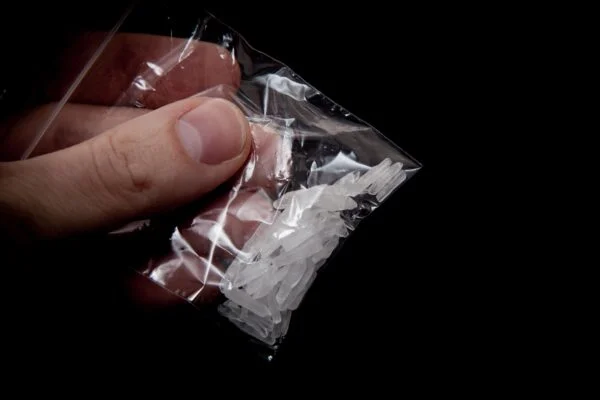
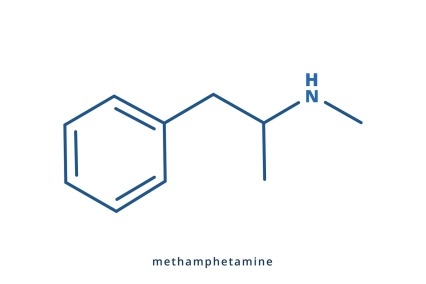
Methamphetamine is a powerful, highly addictive stimulant that affects the central nervous system. Crystal methamphetamine is a form of the drug that looks like glass fragments or shiny, bluish-white rocks. It is chemically similar to amphetamine, a drug used to treat attention-deficit hyperactivity disorder (ADHD) and narcolepsy, a sleep disorder.
How do people use methamphetamine?
People can take methamphetamine by:
- smoking
- swallowing (pill)
- snorting
- injecting the powder that has been dissolved in water/alcohol
Because the “high” from the drug both starts and fades quickly, people often take repeated doses in a “binge and crash” pattern. In some cases, people take methamphetamine in a form of binging known as a “run,” giving up food and sleep while continuing to take the drug every few hours for up to several days.
How does methamphetamine affect the brain?
Methamphetamine increases the amount of the natural chemical dopamine in the brain. Dopamine is involved in body movement, motivation, and reinforcement of rewarding behaviors. The drug’s ability to rapidly release high levels of dopamine in reward areas of the brain strongly reinforces drug-taking behavior, making the user want to repeat the experience.
Short-Term Effects
Taking even small amounts of methamphetamine can result in many of the same health effects as those of other stimulants, such as cocaine or amphetamines. These include:
- increased wakefulness and physical activity
- decreased appetite
- faster breathing
- rapid and/or irregular heartbeat
- increased blood pressure and body temperature
How Do Manufacturers Make Methamphetamine?
Currently, most methamphetamine in the United States is produced by transactional criminal organizations (TCOs) in Mexico. This methamphetamine is highly pure, potent, and low in price. The drug can be easily made in small clandestine laboratories, with relatively inexpensive over-the-counter ingredients such as pseudoephedrine, a common ingredient in cold medications. To curb this kind of production, the law requires pharmacies and other retail stores to keep a purchase record of products containing pseudoephedrine, and take steps to limit sales.
Methamphetamine production also involves a number of other very dangerous chemicals. Toxic effects from these chemicals can remain in the environment long after the lab has been shut down, causing a wide range of health problems for people living in the area. These chemicals can also result in deadly lab explosions and house fires.
What are other health effects of methamphetamine?
Long-Term Effects
Be the first to review “buy Methamphetamine”
You must be logged in to post a review.
Related products
BUY DMT ONLINE


Carts and Cakes

Chemicals

BUY WEED ONLINE
Chemicals
Chemicals

Reviews
There are no reviews yet.